
After teaching assistant Zahra Khan was instructed to tell a student to remove her hijab, a religious headscarf worn by some Muslim women, she donned one herself as an act of solidarity.
“I started to wear a hijab to support the students, and to make the teachers understand what it is,” Khan, who works at a Salvation Army school in Hong Kong, told HKFP. “I wanted them to be more accepting of their non-Chinese students.”

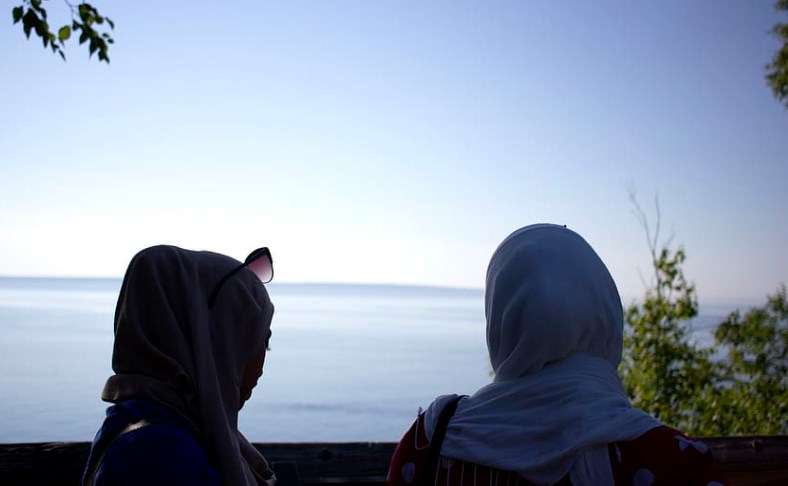
But what Khan – herself a Muslim – experienced left her feeling “upset and frustrated” about the way ethnic minority groups are treated in Hong Kong, highlighting the need for more understanding and education in schools and at the work place.
‘Unsanitary and unhygienic’
In early June, a student at the Salvation Army Centaline Charity Fund School, who was wearing a hijab, was allegedly discriminated against by a teacher, who told her that it was “unsanitary” and “unhygienic,” according to Khan. The teacher added that it would cause pimples on the student’s forehead and could “suffocate” her.
Khan said she tried to make the teacher understand the importance of the hijab for Muslim women but her input was dismissed abruptly. In an act of unity, she wore one herself in an attempt to change the teacher’s mind.
She said she herself was asked to remove it and was called to the principal’s office, where she was told that she would “scare the students and teachers” by wearing the headscarf.


“They told me ‘If I want to protect the school’s image, I should take it off’,” she said.
The comments, she said, affected her mental health. Every time she was in the school staff room, she felt “constantly scared” of retribution from the teaching staff.
“I didn’t want to go to work anymore. I didn’t feel comfortable. I didn’t feel respected,” she said, adding that she developed headaches and anxiety in the weeks following the incident. “I couldn’t eat or sleep, and it took a big mental and physical toll on me.”
Khan filed a complaint with the Equal Opportunities Commission (EOC) and the Education Bureau (EDB), which she said stopped some of the harassment. In a statement to HKFP, a spokesperson from The Salvation Army said it is “committed to equality” and “disavows discrimination and affirms diversity.”
“The government should organise cultural programmes within schools and employment places to ensure employees from different backgrounds have better relations with each other… It makes the minority groups feel accepted as well.”
Adeel Malik, Muslim council
“We take seriously all allegations on discrimination. We will thoroughly investigate and spare no efforts to facilitate open communications should there be any misunderstanding,” the statement said.
However, Khan says the incident should not have occurred in the first place, adding that the Muslim student had changed schools as a result.
“They didn’t apologise to us,” Khan said. “They said it was just a misunderstanding.”
According to Adeel Malik, Chairperson of the Muslim Council of Hong Kong, students and adults often experience discrimination for wearing the hijab, causing distress and feelings of isolation among the community. Malik has received several complaints from community members who have been discriminated against for wearing a hijab, or other religious apparel. With the help of the Muslim Council, some families have filed official complaints.

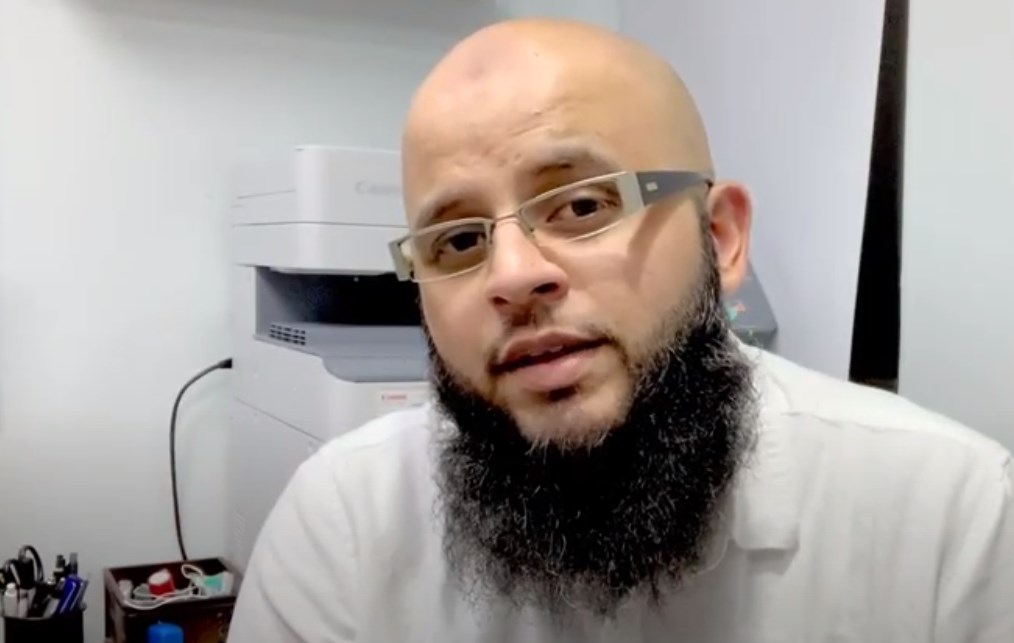
In 2017, a Muslim student from a local school in Tung Chung who was told by teachers to remove her hijab, was eventually allowed to wear it after the EOC was alerted about the incident.
However, experts say more should be done to ensure inclusivity and harmony and the city’s Racial Discrimination Ordinance has many “flaws” which need addressing.
The ordinance, unlike other anti-discrimination laws, does not cover the performance of the government’s functions or the exercise of its powers. Since its implementation in 2009, not one person has been prosecuted under it.
“The government should organise cultural programmes within schools and employment places to ensure employees from different backgrounds have better relations with each other,” said Malik. “It makes the minority groups feel accepted as well.”
Malik added that while these programmes occur in certain places, he hopes it gets implemented widely throughout Hong Kong.


The most recent government census puts Hong Kong’s ethnic minority population at 8 per cent, including foreign domestic helpers. Pakistanis account for 3.2 per cent of the total percentage, of whom more than half have lived in Hong Kong for over 10 years.
According to The Status of Ethnic Minorities in Hong Kong 1997-2014 Report by Puja Kapai, of the University of Hong Kong, equal access to opportunities for Hong Kong’s ethnic minority population remains elusive due to numerous systemic gaps, including racial discrimination at school and work.
Meanwhile, a research paper entitled The Dreams of Pakistani Children by The Zubin Foundation, an NGO that works with the city’s ethnic minority groups, found that a majority of participants in a survey experience exclusion in Hong Kong despite calling the city their home.
A majority of the participants reported being treated similarly to refugees and feeling isolated because of their association with or adherence to Islam.
‘They make faces at us’
“[I have] to hide the hijab for fear of discrimination,” one participant said. “Because we wear the hijab most local people make faces at us. They think we are bad.”
According to the study, a majority of the participants wished that their religion was better understood in Hong Kong, so that they would not feel the weight of the negative stereotypes attached to being a Muslim in the city.


These comments are reflected in Khan’s hopes for Hong Kong.
“I don’t want ethnic minorities to get discriminated against for the way they look,” she said. “If they cannot be who they are, then they will not be able to flourish in our society. I want the students to know that they are not doing anything wrong by dressing a certain way.”
Zahra’s name was changed to protect her employment.